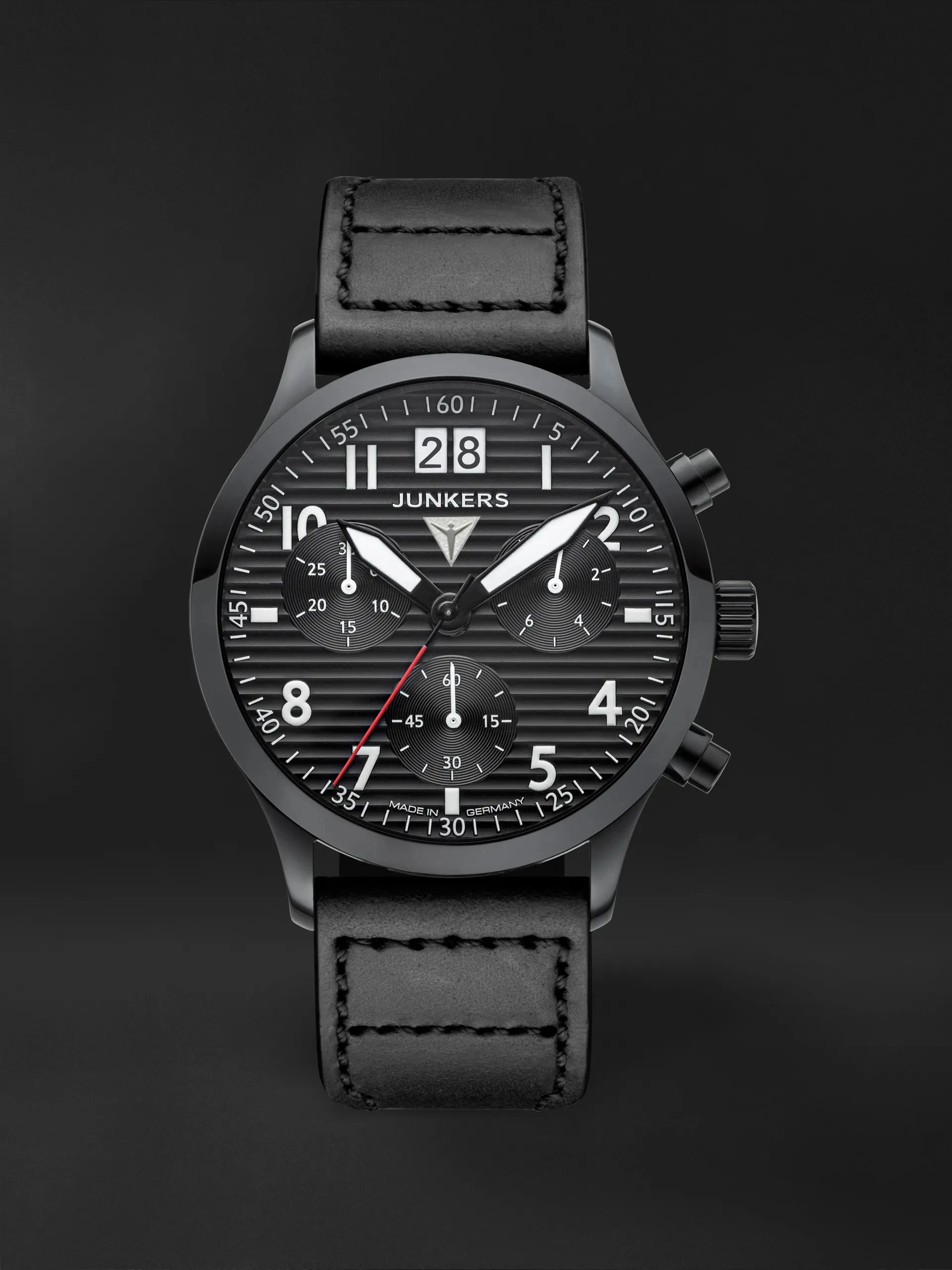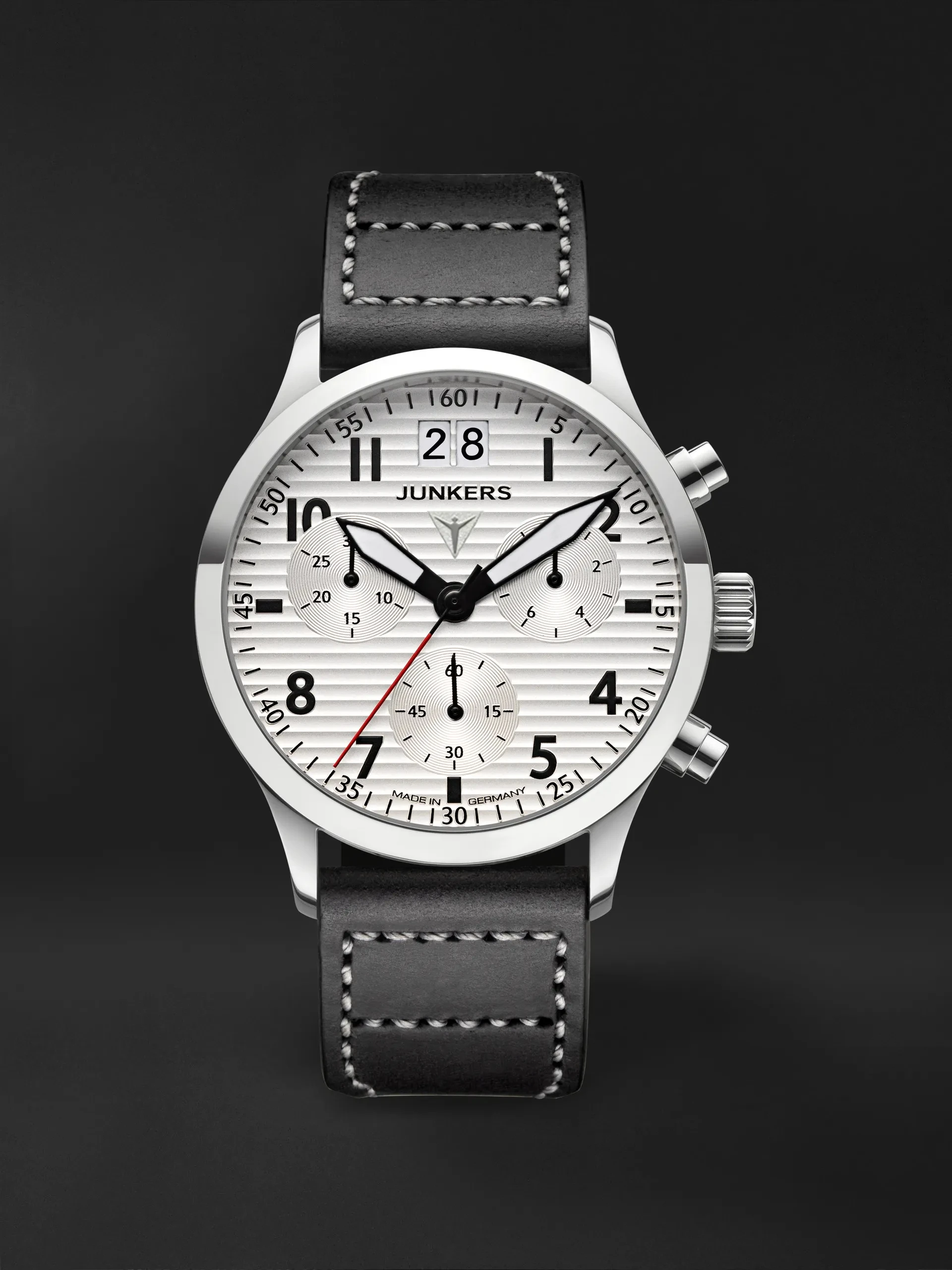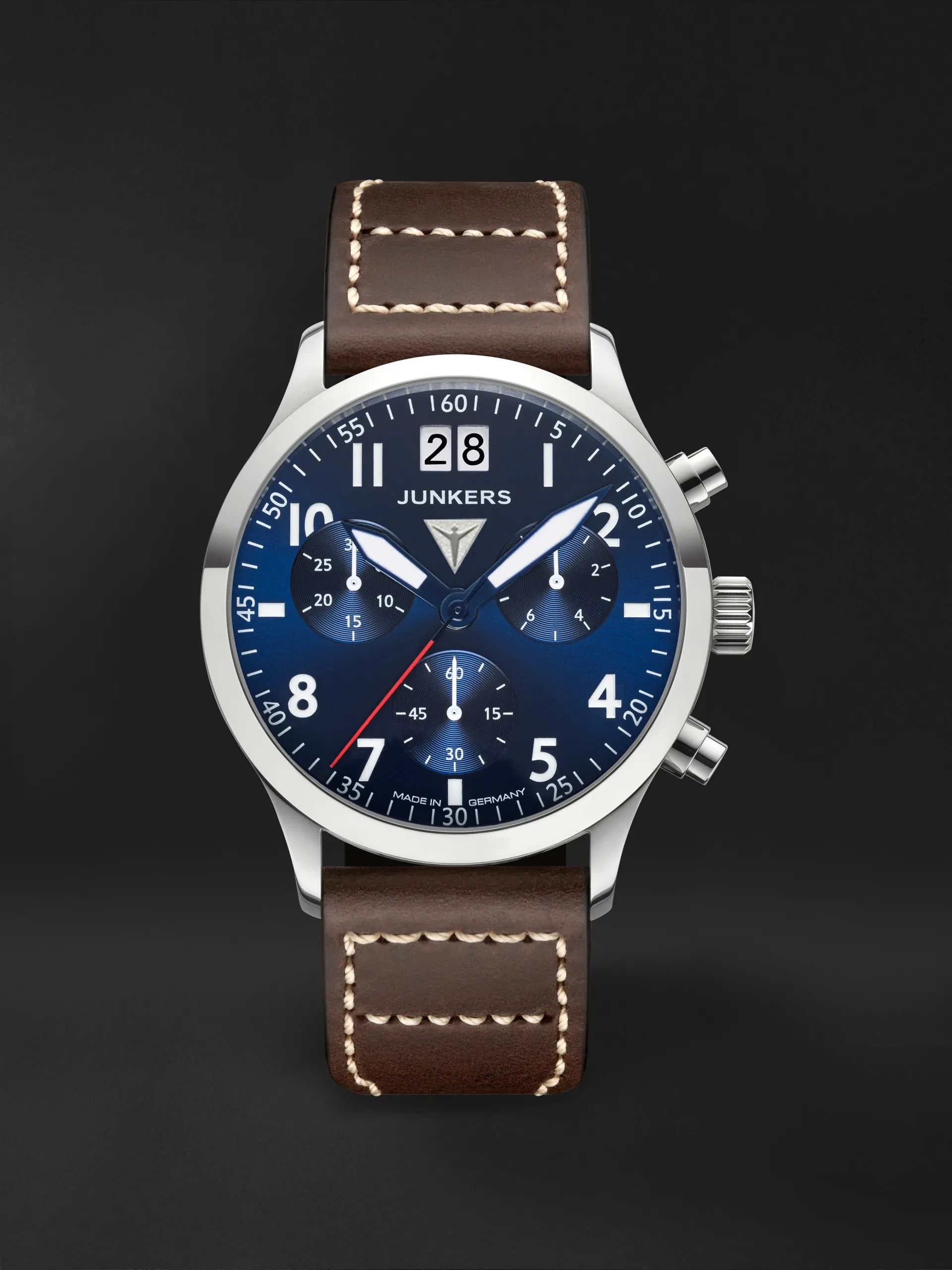


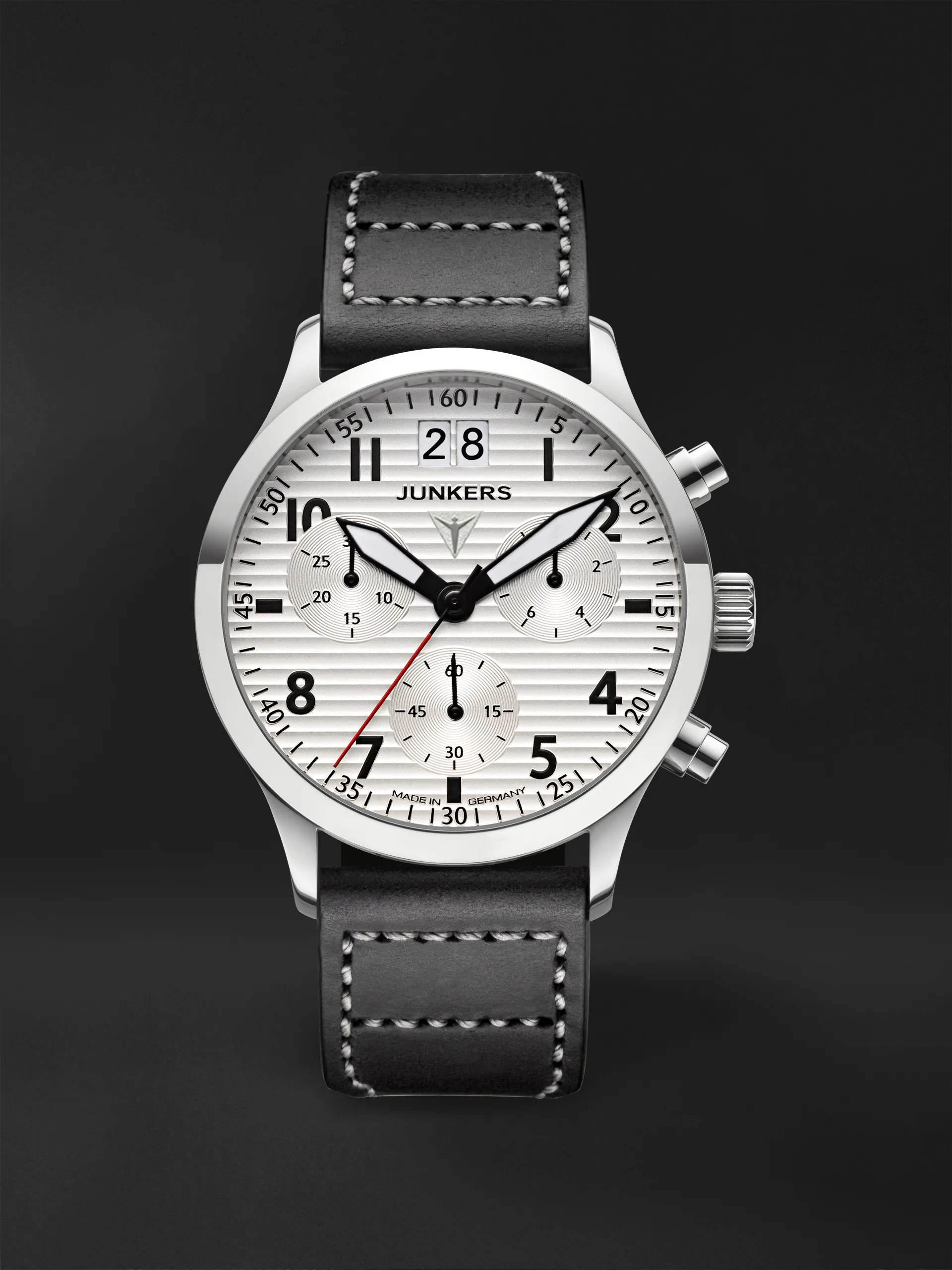
Inspired by the Junkers G38: the new Flieger D-2000 with large date
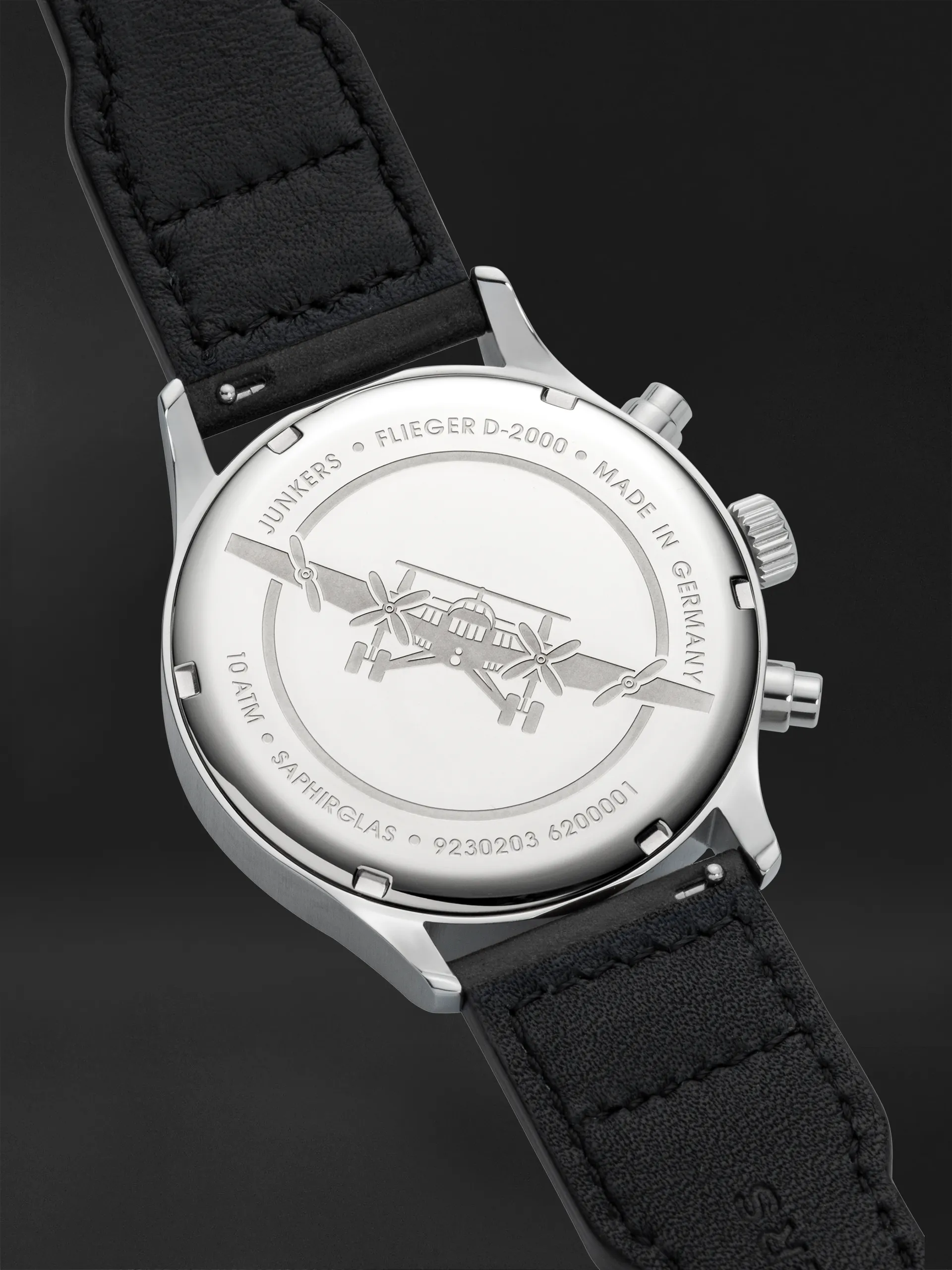
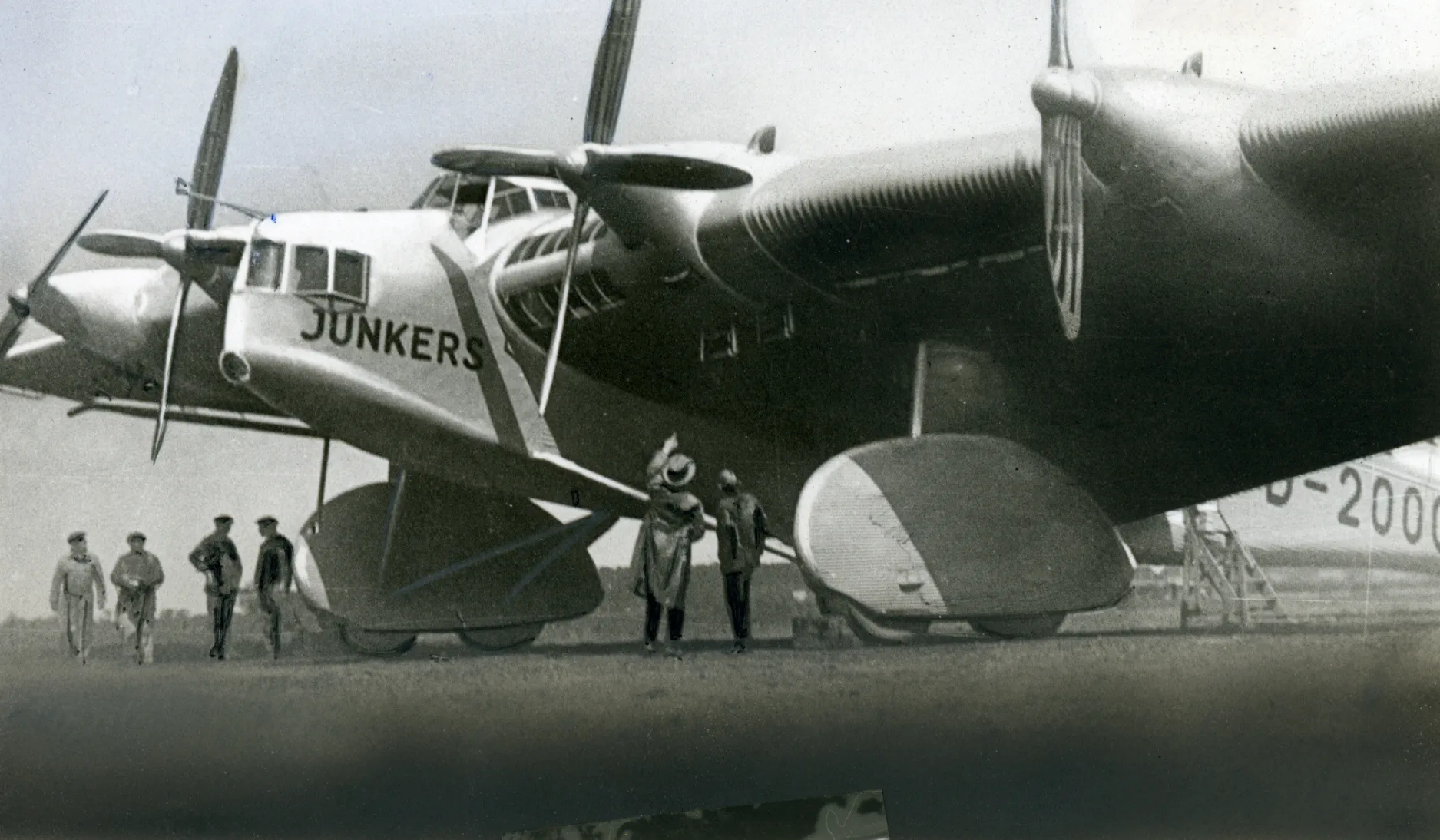
When the Junkers G38 took to the skies for the first time in 1929, it was the largest civilian land-based aircraft of its time. With a wingspan of 44 metres, integrated compartments in the wings and space for passengers directly within the wings, it set new standards in aircraft construction. The first model bore the registration D-2000. It represented an early step in the development of this aircraft and marks the starting point of an unusual design. The new Pilot’s Watch D-2000 with large date is inspired by this.
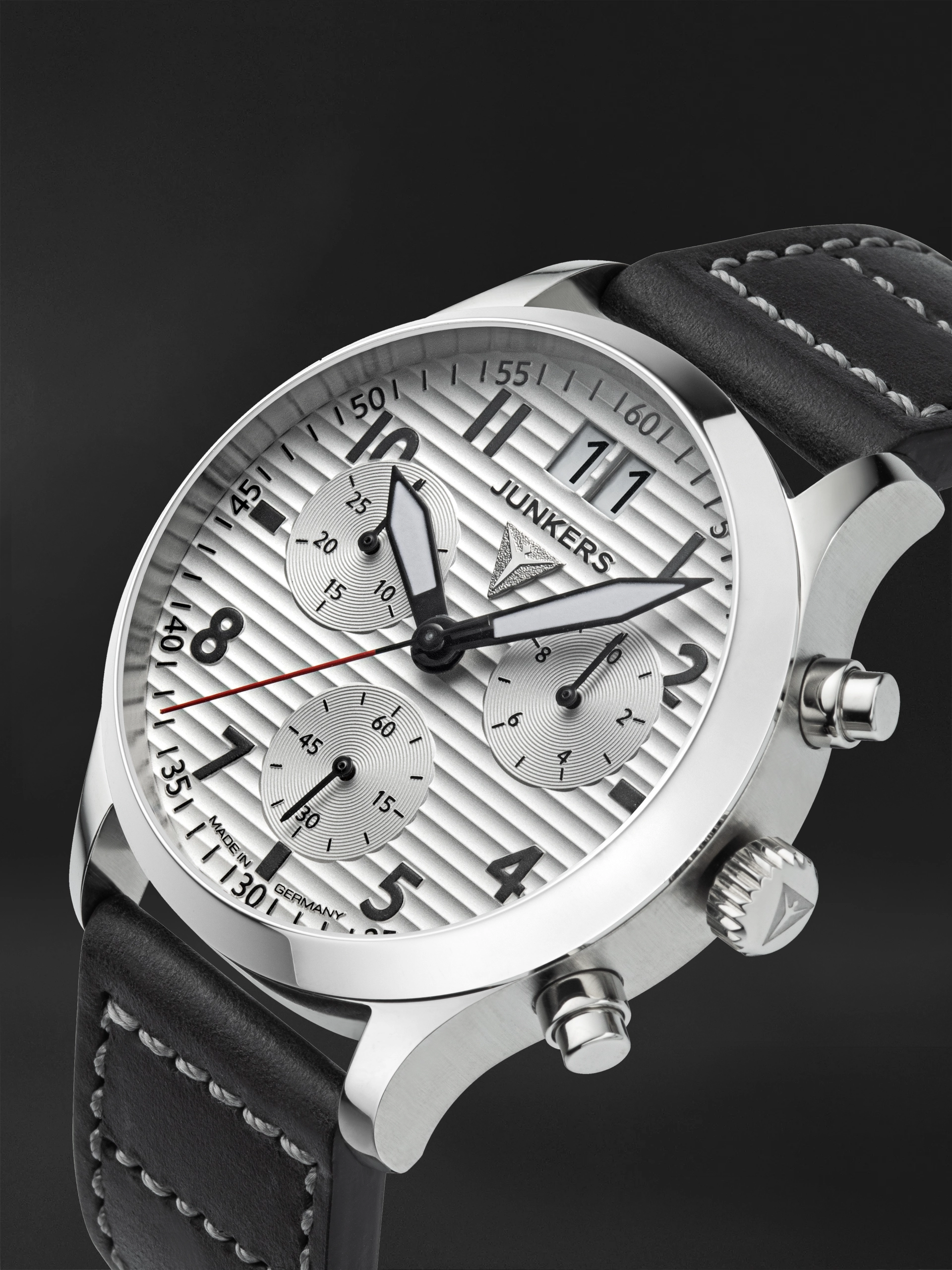
The G38 was characterised by its unusual design and the immense size that came with it. The same applies to the large date display on a timepiece, as found on our new Flieger D-2000. The date is displayed via two separate discs, making it significantly larger. The display is immediately apparent and remains clearly legible even at a glance. The more complex mechanism is part of the concept and determines the construction of the movement and, consequently, the watch.
The Junkers G38 – the flying house
On 6 November 1929, an aeroplane took off from the Dessau- , setting new standards: the Junkers G38. As the largest civilian land-based aircraft of its time, it quickly became a symbol of visionary engineering and was given nicknames such as the ‘Gentle Giant’ or the ‘Flying House’. With a wingspan of 44 metres and a take-off weight of over 21 tonnes, it impressed not only with its size but, above all, with its design. The G38 was based on Hugo Junkers’ idea of the ‘space wing’. Engines, fuel tanks, cargo holds and even passenger seats were integrated into the wings. The wings were accessible, and maintenance work could be carried out whilst the aircraft was in flight. A radical approach that was far ahead of its time.
The G38 also sets new standards in terms of its interior. The cabin resembles a luxurious dining car rather than an aeroplane. Particularly remarkable are the glazed observation compartments in the wings, which allow an unobstructed view to the front. Depending on the version, there is room for up to 34 passengers. Despite international attention and a highly acclaimed European tour, commercial success eluded the project. Only two examples were built. The G38 thus did not become a production aircraft, but a legend. A milestone that demonstrates what is possible when one breaks with convention.
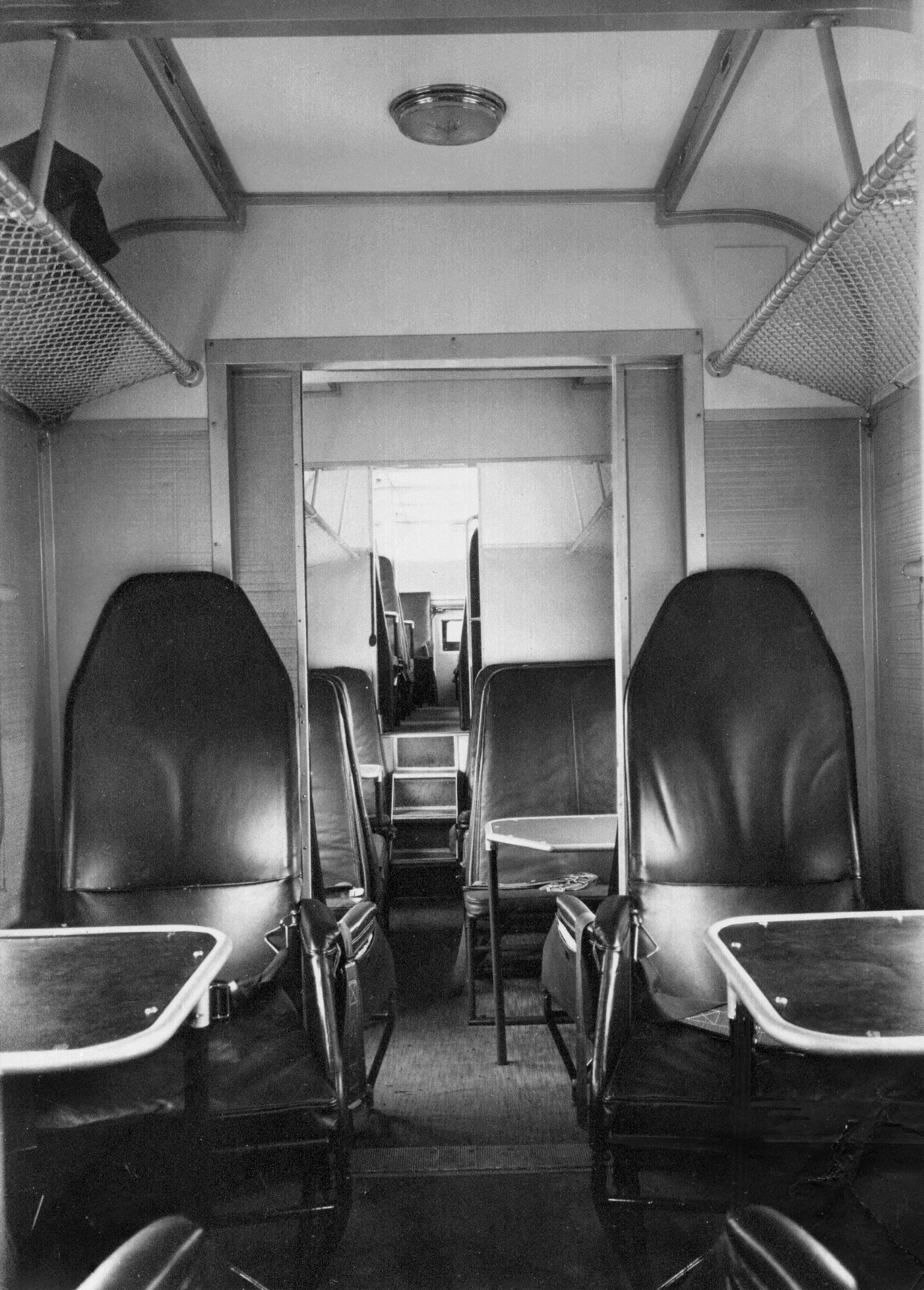
Image of the spacious interior
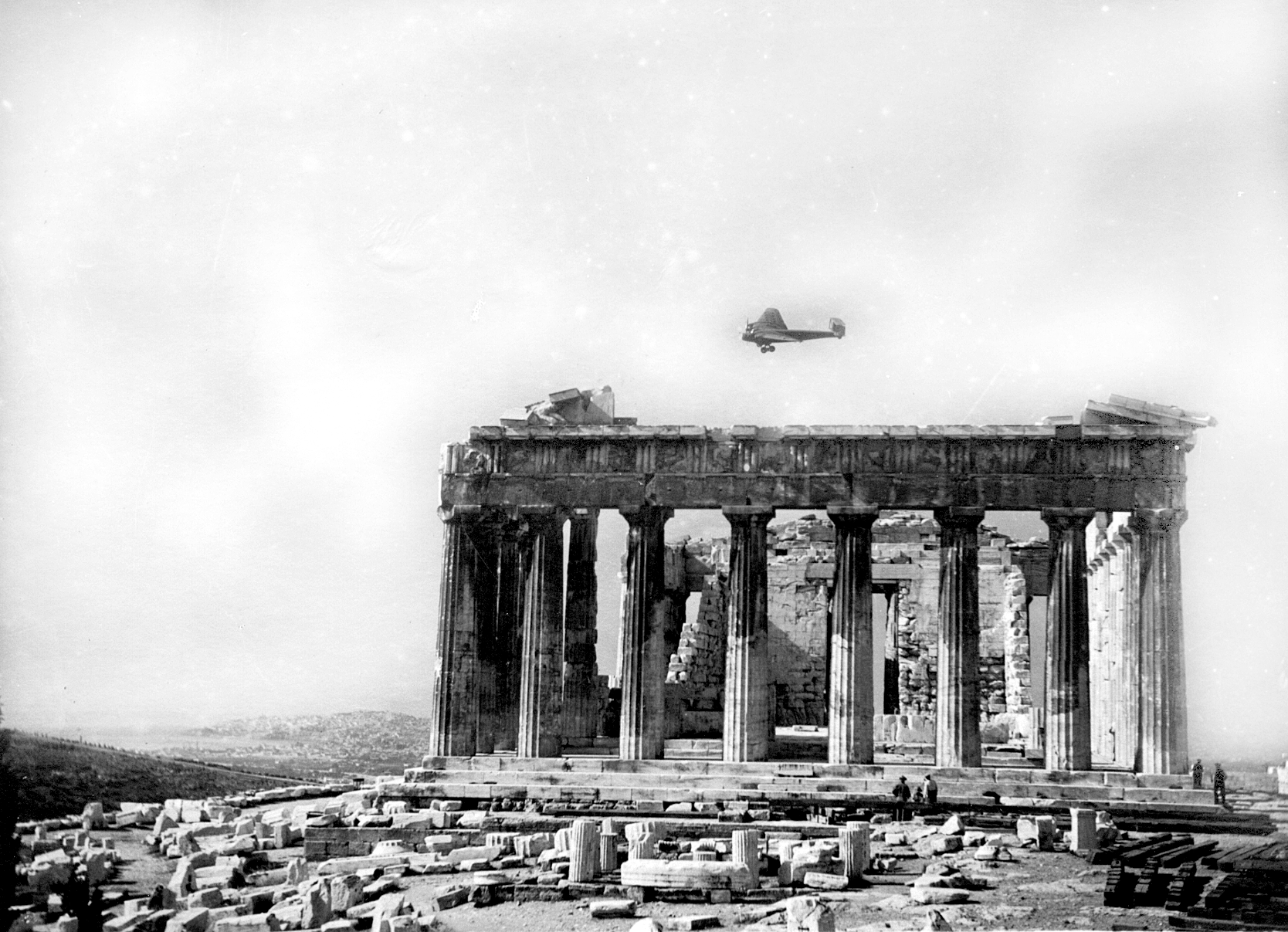
Image of the iconic Europatour
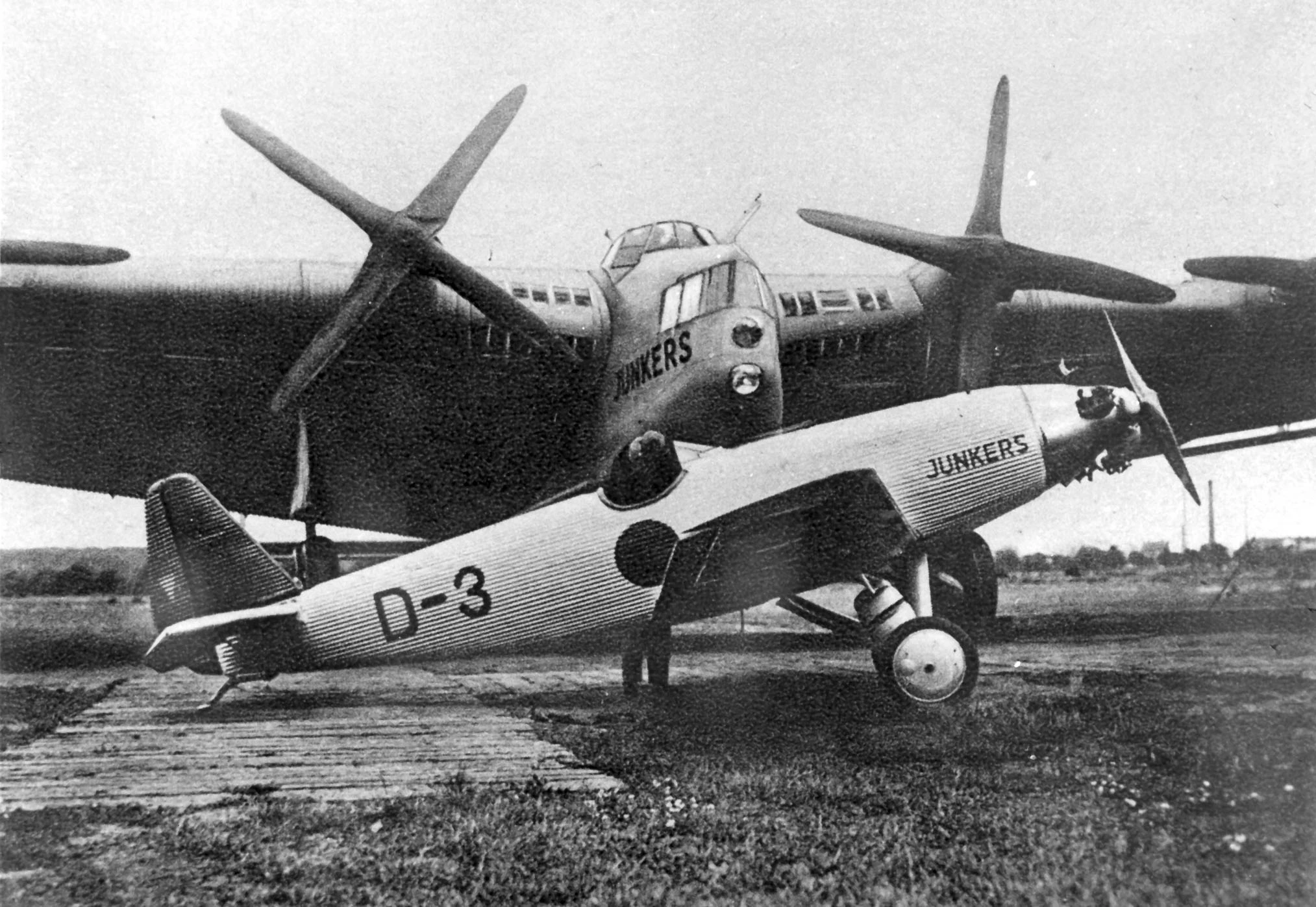
Image to illustrate the proportions